
WD vs Seagate Hard Drives 2026: Complete Guide to Performance, Reliability & Data Recovery
In today’s digital world, your data is everything – whether it’s gaming, office work, creative projects or enterprise-level storage. Losing data can mean lost hours, lost money or even personal memories. That’s why choosing the right hard drive isn’t just about storage capacity anymore. Performance, reliability, durability, security and backup options are equally important.

Two of the most trusted names in storage solutions are Western Digital (WD) and Seagate. Both brands offer internal and external HDDs, portable storage drives and enterprise-grade solutions—but each focuses on slightly different needs.
This 2026 guide will cover everything you need to know about WD vs Seagate hard drives, including:
- Internal, portable, NAS and enterprise drives
- Performance, speed and durability comparisons
- Security, encryption and backup features
- Data recovery strategies for both brands
- Latest storage innovations like HAMR, helium-filled drives and hybrid SSD-HDD solutions
- AI-enhanced storage and predictive analytics for enterprise use
By the end of this article, you’ll be able to choose the perfect hard drive for your PC, gaming setup, creative workflow or business needs.
WD vs Seagate: Brand Overview and Legacy

Western Digital (WD) Drive
- Focus: Durability, NAS reliability, encryption, specialized drives
- Popular Series: WD Blue, WD Black, WD Red, WD Purple
- Innovations: Helium-sealed drives, NAS-grade reliability, AES hardware encryption
- Best For: Gamers, creative professionals, photographers, small businesses, home NAS setups
Seagate Drive
- Focus: High-capacity storage, cost-efficiency, enterprise-grade solutions
- Popular Series: Barracuda, IronWolf, SkyHawk, Exos, FireCuda
- Innovations: HAMR (Heat-Assisted Magnetic Recording), hybrid SSHD solutions, enterprise-grade performance
- Best For: Data centers, large backups, budget-conscious consumers
Trending Insight 2026: Both brands are investing heavily in HAMR and hybrid SSD+HDD solutions, making drives faster, more reliable and capable of storing massive amounts of data efficiently.
Understanding Hard Drive Types
Choosing between WD and Seagate requires understanding the different types of hard drives and their uses.

1. Internal Hard Drives
- Designed for PCs, laptops and servers
- Key factors: RPM, cache size, TB/year workload, MTBF, endurance
- Ideal for: Gaming, content creation, everyday computing
- Tip: Always choose CMR (Conventional Magnetic Recording) for RAID and high-performance setups. Avoid SMR (Shingled Magnetic Recording) for heavy workloads.
2. Portable Hard Drives
- USB-powered drives for mobility
- Key factors: Encryption, durability, backup software, USB 3.0/3.1 or USB-C support
- Ideal for: Travel, on-site backups, creative professionals on the go
- WD Advantage: AES 256-bit hardware encryption in My Passport series
- Seagate Advantage: High-capacity portable drives like Backup Plus Ultra Touch
3. NAS & Enterprise Drives
- Built for 24/7 uptime, RAID arrays and high workloads
- Key factors: TB/year workload, vibration protection, MTBF, multi-drive reliability
- WD NAS Drives: WD Red / Red Pro, optimized for small to medium business
- Seagate NAS Drives: IronWolf / IronWolf Pro, designed for enterprise-grade performance
4. Hybrid HDD + SSD Solutions
- Combine large HDD storage with SSD speed
- Examples: WD Black SN850X NVMe SSD, Seagate FireCuda Gaming SSHD
- Ideal for: Gaming, creative workstations, video editing
- Advantage: Faster load times, higher storage density and smooth performance
WD vs Seagate Hard Drives Comparison 2026
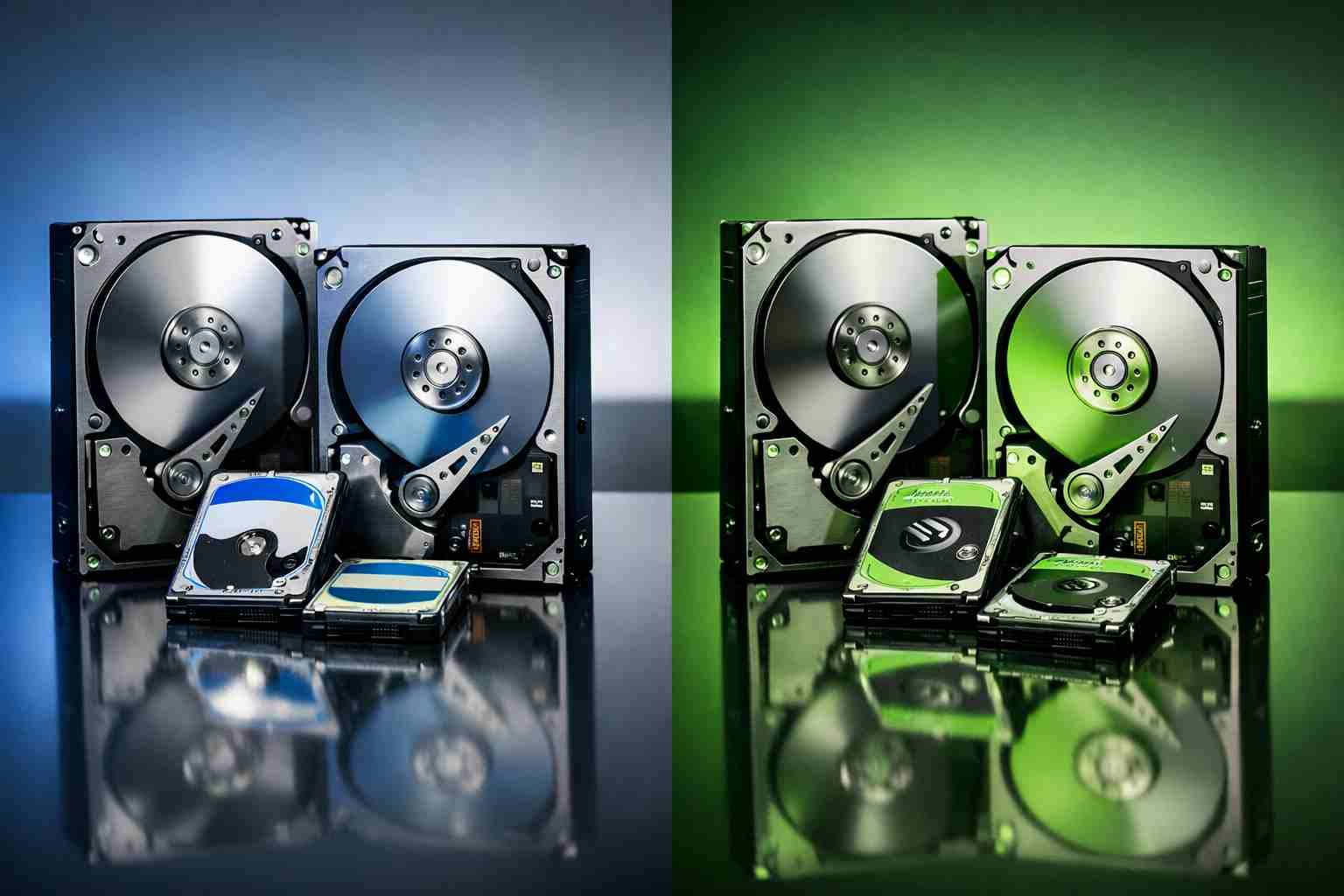
1. Capacity Comparison
Insight: WD excels in durable portable drives and NAS reliability, while Seagate is strong in high-capacity enterprise-grade drives.
4. Security Features
- WD My Passport: 256-bit AES encryption, password protection, auto-unlock
- Seagate Backup Plus Ultra Touch: 256-bit AES encryption
- Desktop drives rely on OS-level protection, so for sensitive data, always choose encrypted portable drives.
Data Recovery Tips for WD and Seagate Drives

Even the best drives can fail. Here’s how to protect and recover your data.
Common Causes of Hard Drive Failure
- Mechanical: Head crash, motor failure
- Logical: Accidental deletion, file corruption
- Firmware: OS or software errors
- Environmental: Power surges, extreme heat, drops or shocks
Preventive Measures
- Keep backup copies in multiple locations
- Use cloud storage and RAID setups for redundancy
- Monitor drive health with SMART diagnostics tools
- Encrypt sensitive data on portable drives
Professional Data Recovery
- Mechanical or RAID failures often require certified recovery labs
- Experts can recover enterprise-grade WD or Seagate drives, even after severe physical damage
Future of Hard Drives: 2026 and Beyond
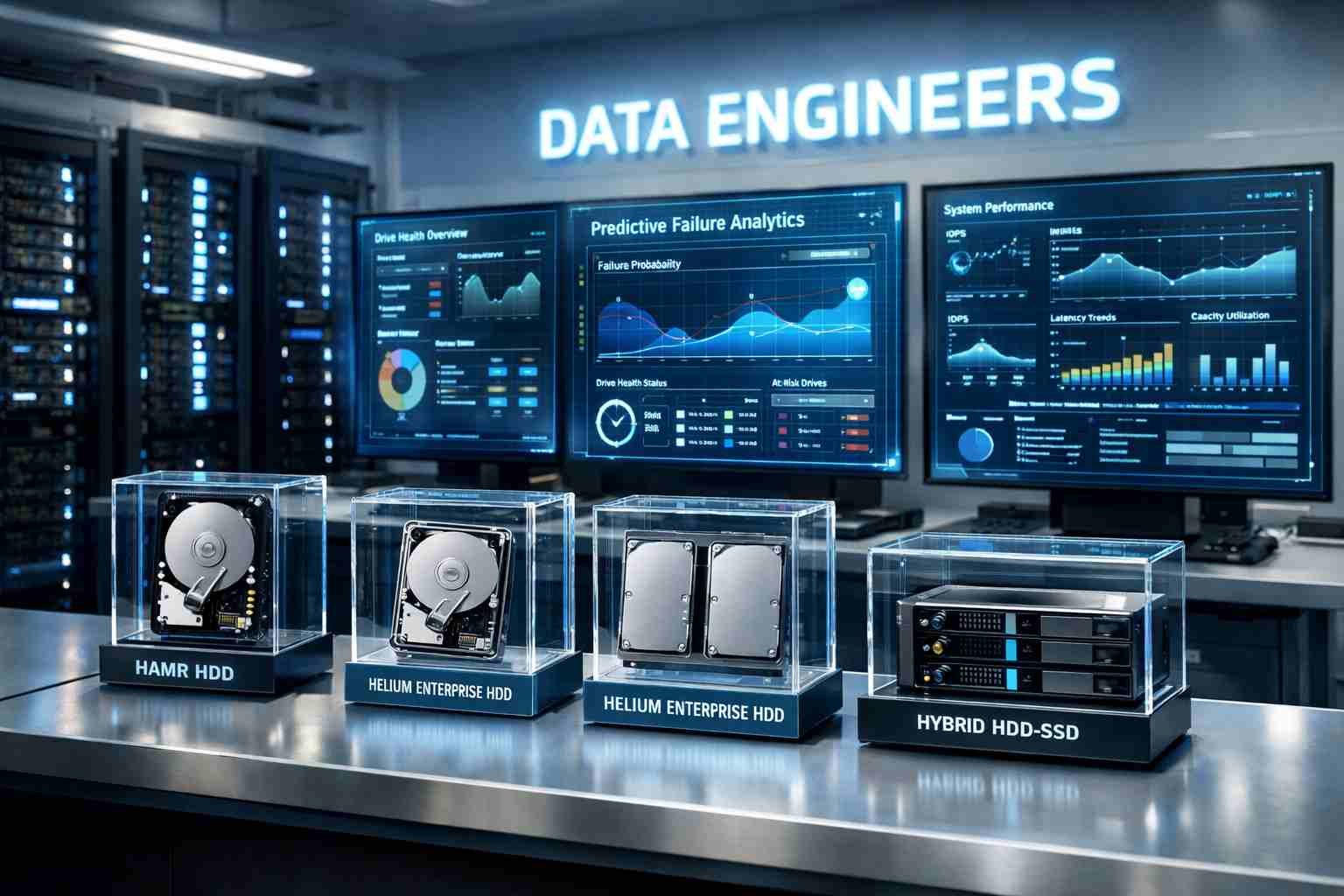
1. HAMR & HDMR Technology
- Drives with 50TB+ capacity using heat-assisted recording
- Seagate is leading HAMR adoption; WD plans HDMR drives by late 2026
2. Helium-Filled Drives
- Reduced friction, more platters, lower power consumption
- Examples: WD Ultrastar HelioSeal, Seagate Exos
3. Hybrid Storage Solutions
- Combines HDD + SSD for speed and capacity, ideal for gaming, creative workflows and workstation use
4. AI-Enhanced Storage
- Predictive failure alerts, automated backups and cloud integration
- Available in enterprise-grade drives
Comprehensive Buyer’s Guide: WD vs Seagate 2026

Worldwide Leader in Data Recovery