
CCTV Footage Recovery (2026): How to Retrieve Deleted, Corrupted or Lost Surveillance Videos
CCTV systems are now a core part of security for homes, offices, shops, warehouses and public infrastructure. They continuously record surveillance footage to protect property, monitor activities and provide evidence when incidents occur.
But despite their importance, CCTV systems are not immune to data loss. Footage can disappear due to accidental deletion, hardware failure, formatting, corruption or system malfunction—often at the worst possible time.
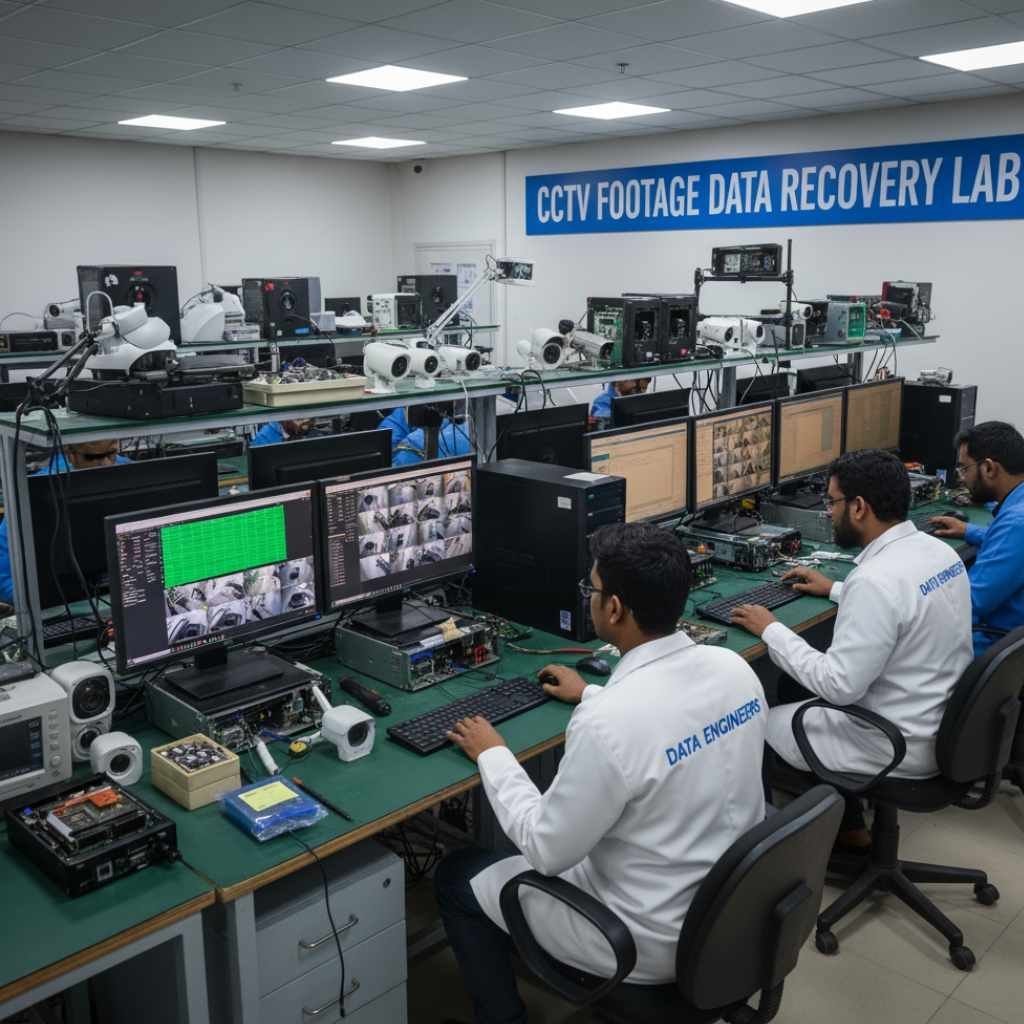
The good news is that CCTV footage recovery is often possible if the storage device is handled correctly and not overwritten.
This guide explains how CCTV footage gets lost, whether recovery is possible and what methods actually work in 2026.
Can CCTV Footage Be Recovered?
Yes, CCTV footage can often be recovered depending on the situation.
When video files are deleted from a DVR, NVR or camera storage device, the system usually does not erase the data immediately. Instead, it marks the space as available for new recordings.
Until new footage overwrites that space, recovery is possible.
However, recovery success depends on:
- Whether new recordings have overwritten deleted data
- Type of storage device (HDD, SSD, SD card)
- Level of corruption or physical damage
- Whether the device has been formatted or reset
- Time elapsed since data loss
In general, the faster you stop using the device, the higher the chance of recovery.
Common Reasons CCTV Footage Gets Lost

CCTV data loss can happen for many reasons and identifying the cause is the first step in recovery.
1. Accidental Deletion
Users may delete recordings while reviewing footage or managing storage space.
2. Overwritten Recordings
Most CCTV systems use loop recording. When storage becomes full, old footage is automatically overwritten.
3. Hard Drive Failure
DVR and NVR systems rely heavily on hard drives. Mechanical failure, bad sectors or firmware issues can make footage inaccessible.
4. Power Failure or Sudden Shutdown
Unexpected power loss during recording can corrupt video databases or file structures.
5. Formatting or Factory Reset
Formatting a DVR or resetting system settings may erase stored recordings.
6. Corrupted File System
Improper shutdowns or software errors can damage the file system that organizes video data.
7. Physical Damage
Heat, water, fire or electrical surges can damage storage hardware.
8. SD Card Corruption
IP cameras using SD cards are especially vulnerable to corruption and file system errors.
How CCTV Footage Recovery Works

CCTV recovery is more technical than standard file recovery because surveillance systems often use proprietary formats and continuous recording structures.
Here’s how professional recovery typically works:
1. Device Diagnosis
The storage device (HDD, SSD, SD card or DVR/NVR unit) is analyzed to determine whether the issue is logical (software-related) or physical damage.
2. Secure Imaging (Cloning)
A bit-by-bit copy of the original storage is created. This ensures the original device is not further damaged during recovery.
3. Deep Scan & Data Extraction
Specialized tools scan raw storage sectors to locate video fragments, even if file systems are damaged or missing.
4. Video Reconstruction
Recovered fragments are rebuilt into playable CCTV video files. This step is critical because surveillance videos are often split into multiple segments.
5. File Verification & Export
Recovered footage is verified for integrity and exported to a secure storage device.
DIY Recovery vs Professional CCTV Recovery

Many users attempt DIY recovery using software or system tools. While this can work in limited cases, CCTV systems are more complex than normal storage devices.
DIY Recovery May Work When:
- Footage was recently deleted
- No new recording has overwritten data
- SD card corruption is minor
- No physical damage exists
Common methods include recovery software or checking backup storage.
DIY Recovery Fails When:
- DVR/NVR hard drive has failed
- Data is overwritten
- File system is corrupted
- Storage device is physically damaged
- CCTV uses proprietary formats
Professional Recovery Advantage

Professional labs use advanced forensic tools that can access raw video structures and rebuild damaged recordings.
A specialist provider such as Data Engineers handles complex cases involving DVR/NVR failure, corrupted drives and physically damaged storage devices using controlled recovery environments.
Devices and CCTV Systems Supported
CCTV footage recovery is possible across multiple storage types:
DVR / NVR Systems
Most surveillance systems store footage on internal hard drives. Recovery focuses on rebuilding video databases and file systems.
Hard Disk Drives (HDD)
Traditional CCTV storage. Recovery is often possible unless there is severe physical damage.
Solid State Drives (SSD)
Faster but harder to recover from due to TRIM commands and data trimming behavior.
SD / microSD Cards
Common in IP cameras. Prone to corruption but often recoverable if not overwritten.
NAS & RAID Systems
Used in enterprise surveillance setups. Require advanced reconstruction techniques.
CCTV Footage Recovery Cost (2026)
The cost of recovery depends on several factors:
- Type of storage device
- Level of damage
- Complexity of reconstruction
- Urgency of recovery
- Amount of data to be recovered
In India, basic CCTV recovery cases typically start from moderate pricing, while physically damaged or RAID-based systems may cost significantly more due to complexity.
Most professional labs offer an initial diagnosis before proceeding.
How to Improve CCTV Recovery Success

If you suspect footage loss, follow these steps immediately:
Stop Using the Device
Do not continue recording. New data can overwrite recoverable footage.
Do Not Format Again
Repeated formatting reduces chances of recovery.
Avoid DIY Repairs
Incorrect recovery attempts can permanently damage data structures.
Preserve the Storage Device
Handle the DVR, NVR or drive carefully to avoid physical damage.
Contact Experts Early
Professional intervention increases recovery success significantly.
Final Thoughts
CCTV footage is often critical for security investigations, legal disputes, insurance claims and business protection. Losing it can feel permanent, but in many cases, recovery is still possible.
The key factor is time—how quickly the device is handled after data loss determines the outcome more than anything else.
If you are facing CCTV data loss and the footage is important, professional recovery is the safest and most reliable option.
Specialized providers like Data Engineers can help recover surveillance data from DVRs, NVRs, hard drives, SSDs, SD cards and enterprise surveillance systems using advanced forensic techniques.
📞 Contact today for CCTV Footage Recovery with No Data, No Charge.

Worldwide Leader in Data Recovery




Leave a Comment